Understanding How Fungal Infections Macerate Skin Tissue and the Importance of a Foot Care Routine

Fungal infections are a common problem, especially affecting the skin on and around the feet. One of the most damaging effects of these infections is the maceration of skin tissue, which can lead to discomfort, increased risk of further infections, and long-term skin damage. Understanding how fungi cause this breakdown and how a consistent foot care routine can help prevent and manage these issues is essential for maintaining healthy skin.
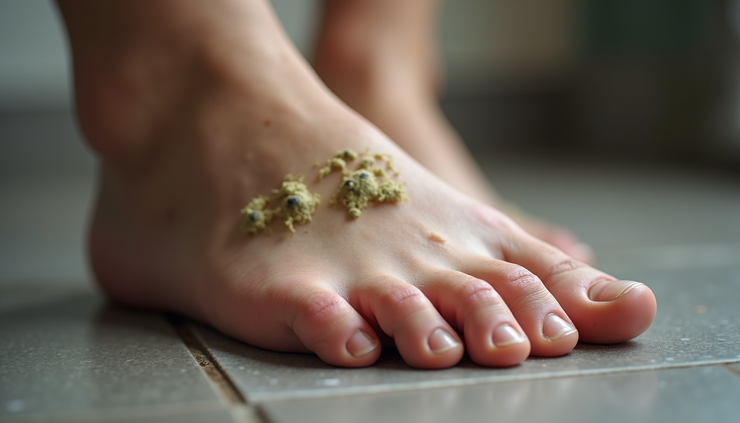
Close-up of foot skin showing fungal infection and macerated tissue
How Fungal Infections Affect Skin Tissue
Fungi thrive in warm, moist environments, making the feet an ideal location for their growth. When fungal spores land on the skin, they can begin to colonize, especially if the skin is already compromised by moisture or minor injuries.
The Process of Maceration
Maceration refers to the softening and breaking down of skin tissue due to prolonged exposure to moisture. In fungal infections, this happens because:
Fungal enzymes break down skin proteins: Fungi secrete enzymes like keratinase that digest keratin, a key structural protein in the skin. This weakens the skin’s protective barrier.
Moisture accumulates between skin layers: Fungal infections often cause excessive sweating or fluid buildup, which keeps the skin wet and soft.
Skin becomes fragile and prone to damage: The combination of enzymatic breakdown and moisture causes the skin to become white, soggy, and prone to peeling or cracking.
This macerated skin is not only uncomfortable but also more vulnerable to secondary bacterial infections, which can complicate treatment and healing.
Common Types of Fungal Infections That Cause Maceration
Athlete’s foot (Tinea pedis): The most common fungal infection of the feet, often starting between the toes where moisture is trapped.
Interdigital candidiasis: Caused by Candida species, this infection thrives in moist, warm areas and leads to white, soggy skin.
Onychomycosis: Fungal infection of the nails that can spread to surrounding skin, causing inflammation and maceration.
Signs and Symptoms of Macerated Skin Due to Fungal Infection
Recognizing maceration early can help prevent worsening of the condition. Look for:
White or pale skin that looks soggy or waterlogged
Peeling or flaking skin, especially between toes
Itching, burning, or stinging sensations
Cracks or fissures in the skin that may bleed
Unpleasant odor due to fungal growth and skin breakdown
If these symptoms persist or worsen, it is important to seek medical advice for proper diagnosis and treatment.
How a Foot Care Routine Helps Prevent and Manage Fungal Maceration
A consistent foot care routine is the best defense against fungal infections and the maceration they cause. Here are key steps to include:
Keep Feet Clean and Dry
Wash feet daily with mild soap and water.
Dry thoroughly, especially between the toes, to remove moisture.
Use a clean towel and avoid sharing towels with others.
Choose Breathable Footwear and Socks
Wear shoes made from materials that allow air circulation.
Avoid tight shoes that trap sweat.
Change socks daily or more often if feet become sweaty.
Use moisture-wicking socks made from natural fibers or technical fabrics.
Use Antifungal Products When Needed
Apply antifungal powders or sprays to feet and inside shoes to reduce moisture and fungal growth.
Use medicated creams or ointments as prescribed for active infections.
Regularly Inspect Feet
Check for early signs of fungal infection or maceration.
Address any cuts, blisters, or dry patches promptly to prevent infection.
Maintain Nail Hygiene
Keep toenails trimmed and clean.
Avoid cutting nails too short or injuring the skin around them.
Practical Tips for Managing Macerated Skin
If maceration has already occurred, these steps can help restore skin health:
Air out feet regularly: Remove shoes and socks when possible to allow skin to dry.
Use absorbent foot powders: These help reduce moisture and soothe the skin.
Apply barrier creams: Products containing zinc oxide or petroleum jelly can protect fragile skin.
Avoid prolonged exposure to water: Limit soaking feet in water, which can worsen maceration.
Consult a healthcare professional: For persistent or severe cases, professional treatment may be necessary.
When to See a Doctor
If you notice any of the following, seek medical advice:
Skin that is severely cracked, bleeding, or painful
Signs of bacterial infection such as redness, swelling, or pus
Fungal infection that does not improve with over-the-counter treatments
Recurring fungal infections despite good foot care
A healthcare provider can recommend stronger antifungal medications or other treatments to address the infection and protect your skin.


Comments